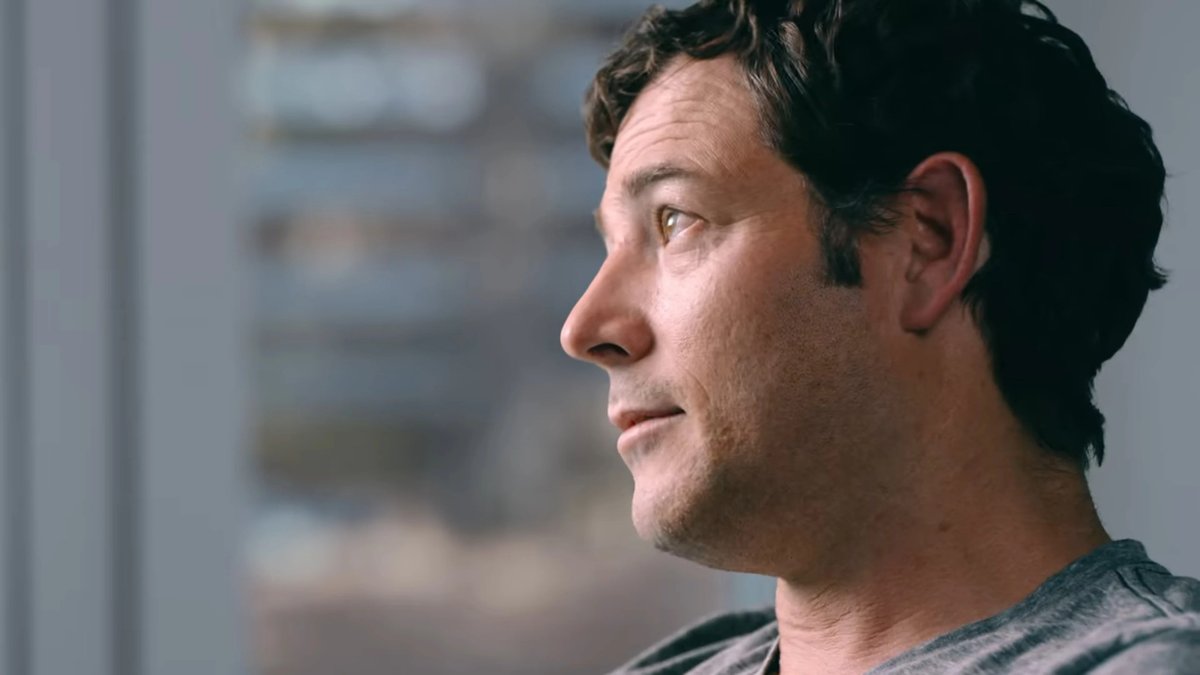
Imagine watching a film where every shot feels intentional, every movement purposeful, and every transition seamless. You’re not just seeing a story; you’re experiencing it, feeling every emotion, understanding every nuance. This isn’t magic – it’s the masterful application of Filming Techniques & Creative Shots, the visual language that transforms raw footage into compelling narratives.
From a simple close-up that reveals a character’s deepest fears to a sweeping crane shot that establishes an entire world, these techniques are the backbone of cinematic storytelling. They empower filmmakers to sculpt reality, guide audience perception, and evoke emotions without uttering a single word. If you're ready to move beyond just pointing and shooting, and truly start directing the viewer's eye and heart, you've come to the right place.
At a Glance: Crafting Your Visual Masterpiece
- Understanding the Basics: Learn foundational shots like wide, medium, and close-ups to build your scene's grammar.
- Camera's Dance: Explore dynamic movements like pans, tilts, and tracking shots to add energy and guide focus.
- Angle Your Perspective: Discover how high, low, and POV angles can influence audience perception and emotional connection.
- Light, Color, and Composition: Master how lighting, color palettes, and framing principles like the Rule of Thirds can set mood and highlight crucial elements.
- The Director's Touch: Grasp how directing, cinematography, and editing styles weave together to form a cohesive vision.
- Practical Steps: Get actionable advice to start applying these techniques, regardless of your current skill level.
The Foundation of Visual Language: Your Shot List Toolkit
Every great film begins with a strong visual vocabulary. These foundational shots are your building blocks, each serving a distinct purpose in relaying information and evoking feeling. Think of them as the words in your cinematic sentence.
Establishing Your World: Scene-Setting Shots
- Establishing Shot: This wide shot kicks things off, giving your audience context. It's the "where are we?" answer, often showing the full scope of a location before zeroing in.
- Wide and Long Shot: Similar to an establishing shot but can also focus on a subject within its broader environment. Use it to showcase scale, isolation, or the full extent of a character's surroundings.
- Medium Shot: Your workhorse for conversations and character interactions. Framing from the waist up, it keeps characters prominent while still showing some of their environment or body language.
Getting Up Close and Personal: Intimacy and Detail
- Close-Up: This shot brings you into the subject’s personal space, emphasizing a specific detail or, most commonly, a character's face. It's fantastic for conveying raw emotion or highlighting a crucial object.
- Extreme Close-Up Shot: Take it a step further. This is about intense detail – a single tear, a flicker in an eye, a trembling hand. It magnifies emotional impact and draws hyper-focused attention.
Guiding Your Viewer: Perspective and Focus
- Over the Shoulder Shot: A staple for dialogue scenes, it places the camera behind one character, looking at the character they're interacting with. It naturally directs attention and connects two subjects in conversation.
- Rack Focus: A dynamic technique where the focus shifts within a single shot from one subject to another. It's a powerful way to direct the viewer’s eye, reveal new information, or create emphasis.
Strategic Cuts for Storytelling
- Cutaway: Briefly interrupts the main action to show another event or detail elsewhere. This is handy for revealing reaction, adding exposition, or even masking an edit.
- Montage: A sequence of rapidly edited shots, often used to condense time, show progress, or convey a rush of emotions or information efficiently. Think training sequences or a character's journey.
- Cross-Cutting: Weaves together scenes from two or more different storylines, often happening simultaneously, to build tension, show parallel actions, or create a sense of urgency.
Bringing Your Camera to Life: Dynamic Movements & Angles
Your camera isn't just a static observer; it's an active participant. How it moves and where it's positioned can fundamentally alter what your audience feels and understands.
The Camera's Dance: Dynamic Movements
- Pan Shot: Imagine your camera swiveling horizontally from a fixed spot, like scanning a vast landscape or following a character walking across the frame. It’s smooth, reveals new information, and connects elements in a scene.
- Tilt Shot: This is the vertical equivalent of a pan. Your camera moves up or down from a fixed position, perfect for revealing a tall building, emphasizing height, or dramatically shifting focus from a detail on the ground to something above.
- Zoom Shot: By adjusting the lens's focal length, you can make subjects appear closer or farther away without physically moving the camera. Use it for dramatic impact, like zooming into a character's face to emphasize a sudden realization.
- Tracking Shot / Dolly Shot: Here, the camera literally moves with the action, often mounted on a dolly or tracks. This creates incredible fluidity, following characters through a scene, enhancing realism, or establishing dynamic pacing in a car chase.
- Handheld Camera: Shooting without stabilization equipment introduces natural shakiness, which can create a raw, immersive sense of realism, urgency, or unease. It's a favorite for documentaries and intense action sequences.
- Crane Shot: For those grand, sweeping views, a crane or jib lifts the camera high, allowing for fluid vertical and horizontal movements. Think of those magnificent opening shots in epics like Citizen Kane, establishing vast environments or highlighting a character's isolation.
Shaping Perception: Creative Angles
- Eye-Level Shot: The most natural and intimate angle, placing the camera at the same height as your character's eyes. It creates a sense of equality and relatability, ideal for conversations.
- High Angle Shot: Captured from above the subject, looking down. This can make subjects appear vulnerable, weak, or insignificant, emphasizing their smallness within the environment.
- Low Angle Shot: Shot from below the subject, looking up. This angle instantly conveys power, dominance, or strength, making characters appear towering and imposing.
- Bird’s Eye Shot: An extreme high angle, directly overhead. This provides a unique, almost god-like perspective, often used for dramatic effect, revealing patterns, or showing the entirety of a scene.
- Dutch Angle Shot: The camera is tilted, creating a slanted, off-kilter frame. This immediately unsettles the viewer, conveying disorientation, unease, or a sense of psychological distress, memorably used in films like The Third Man.
- Point-of-View (POV) Shot: This immerses the audience by placing the camera exactly where a character's eyes would be, showing what they see. It builds identification and can be incredibly intense, as seen in The Blair Witch Project.
Painting with Light and Shadow: Mastering Lighting Techniques
Light is not just illumination; it's a storytelling tool. How you light a scene dictates its mood, emphasizes character, and guides the viewer's emotional response.
- Low-Key Lighting: This technique maximizes shadows and contrast, leaving large portions of the frame dark. It creates a moody, mysterious, or suspenseful atmosphere, a hallmark of film noir.
- Backlighting: Placing the main light source directly behind your subject creates a glowing "halo" effect, separating them from the background. This can add a dramatic silhouette, a sense of ethereal beauty, or signify importance.
- Color in Lighting: Don't just think brightness; think hue. Warm tones (yellow, orange) evoke comfort, intimacy, or nostalgia, while cool tones (blue, green) suggest suspense, detachment, or sadness. Adjusting the warmth or coolness of your lighting profoundly impacts mood.
The Art of Arrangement: Composition Techniques
Composition is how you arrange elements within your frame. It's about leading the viewer's eye, creating balance, and highlighting what's important.
- Depth of Field: This manipulates how much of your shot is in focus. A shallow depth of field keeps only your subject sharp, blurring the background to isolate them. A deep depth of field keeps everything from foreground to background in focus, offering more environmental information. It’s a powerful tool for directing attention.
- Rule of Thirds: Imagine your frame divided into a 3x3 grid. The Rule of Thirds suggests placing key subjects or points of interest along these lines or, even better, at their intersections. This creates a more dynamic and visually pleasing composition than simply centering everything.
- Symmetry/Asymmetry: Symmetrical compositions evoke balance, harmony, and sometimes a sense of order or grandeur. Asymmetrical compositions, conversely, can introduce tension, dynamism, or a feeling of unease. Knowing when to break perfect balance offers compositional variety and emotional depth.
Emotion in Every Hue: Color Techniques
Color is another often-underestimated storytelling device, capable of speaking volumes without dialogue.
- Color Grading: This post-production process adjusts the colors of your footage to achieve a specific aesthetic, mood, or "look." It ensures visual consistency and enhances emotional impact, like shifting a scene to warmer tones for a nostalgic flashback.
- Symbolism: Colors carry inherent meanings. Red can symbolize passion or danger, blue often represents calm or sadness, green nature or envy. Using specific colors to represent themes or character traits can add deep, subconscious layers to your storytelling.
- Color Blocking: This involves organizing scenes or even entire films around a specific color scheme or a limited palette. It creates a strong visual style, contributes to atmosphere, and reinforces thematic elements.
Beyond the Frame: Key Elements of Filmmaking
While techniques govern individual shots, filmmaking is a holistic art form. These elements interweave to create the final cinematic experience.
- Cinematography: The overarching art of photography and camera work. This is where angles, framing, depth of field, and lighting all come together.
- Sound: More than just dialogue, it includes music (score), sound effects (foley, ambient), and silence. Sound builds atmosphere, emphasizes action, and guides emotional responses.
- Editing: The process of assembling all the individual shots into a coherent, flowing narrative. Editing manipulates time, pace, and rhythm to create meaning and impact.
- Production Design: This encompasses everything you see within the frame – sets, props, locations, costumes. It's about creating believable, immersive worlds.
- Narrative: At its core, film is storytelling. This element covers plot, character development, themes, and how the story unfolds.
Beyond these core five, specialized roles like Directing (the maestro orchestrating vision), Scriptwriting (the genesis of characters and plot), and Costume Design (adding authenticity and depth) are critical. To truly Discover the six big heroes of your film's narrative, understanding these interconnected roles is crucial.
The Director's Vision: Techniques and Styles
The director is the guiding force, shaping every aspect of the film. Their techniques and unique style are what give a movie its distinct voice.
Orchestrating the Story: Directing Techniques
- Visual Storytelling: A director’s ability to convey narrative, emotion, and theme primarily through imagery, composition, and mise-en-scène (everything visible in the frame), reducing reliance on dialogue.
- Blocking and Staging: The meticulous choreography of actors' movements within a scene, determining where they stand, how they move, and their relationship to each other and the camera. It’s fundamental for enhancing dynamics and emotional resonance.
- Character Development: Collaborating closely with actors to breathe life into personas, often employing methods like improvisation, method acting, or deep character analysis.
- Pacing and Rhythm: Using temporal tools—editing speed, scene duration, and camera movements—to control the tempo and flow of a film, dictating how quickly or slowly the story unfolds.
- Aesthetic and Vision: The director’s unique artistic preferences, thematic choices, and visual style (e.g., recurring motifs, symbolism) that define the film's overall look and feel.
- Emotional Manipulation: The strategic use of various techniques (suspense-building shots, empathy-inducing moments, narrative twists) to elicit specific emotional responses from the audience.
- Symbolism and Subtext: Imbuing narratives with deeper layers of meaning through the use of objects, colors, actions, or dialogue that suggest more than what is explicitly stated.
Auteurs and Approaches: Directing Styles
- Authorial Directing (Auteur Theory): This style is characterized by a director's distinct voice, consistent thematic elements, and recognizable visual motifs that recur across their body of work, like Quentin Tarantino's non-linear storytelling and sharp dialogue.
- Classicist Directors: These filmmakers often adhere to traditional storytelling and cinematic norms, emphasizing clarity, coherence, and strong narrative arcs, exemplified by directors like Steven Spielberg.
- Experimental or Avant-Garde Style: Challenging conventional narrative structures, these directors push boundaries with abstract visuals, non-linear storytelling, and unconventional approaches, as seen in the work of David Lynch.
- Realist Directors: Focused on depicting everyday life with authenticity, these directors often use natural lighting, handheld cameras, and non-professional actors to achieve a raw, truthful feel, like the Dardenne brothers.
- Expressionist Directors: Employing exaggerated visuals, heightened emotions, and symbolic imagery to convey inner psychological states or abstract concepts, akin to the dark, stylized worlds of Tim Burton.
- Collaborative or Ensemble Approach: This style values the collective creative input of the entire filmmaking team, fostering a sense of shared authorship and blending diverse perspectives.
Crafting the Visual Narrative: Cinematography Styles
Just as directors have distinct voices, cinematographers (or Directors of Photography) develop specific visual styles that define a film’s aesthetic.
- Realism or Naturalism: Aiming for authenticity, this style often uses natural light, unobtrusive camera work, and a documentary-like feel to capture a truthful depiction of life, famously seen in The Bicycle Thieves.
- Expressionism: Exaggerating visuals and distorting reality to evoke powerful emotions or psychological states. This style often employs bold, dramatic lighting, unusual angles, and stylized sets, as in The Cabinet of Dr. Caligari.
- Classic or Hollywood Style: Emphasizes polished visuals, balanced compositions, and seamless storytelling, designed to be visually appealing and not draw attention to the filmmaking itself. Casablanca is a prime example.
- Handheld or Documentary Style: Characterized by the use of handheld cameras, natural lighting, and often unrefined compositions, this style creates a sense of spontaneity, urgency, and raw realism, as used effectively in The Blair Witch Project.
- Minimalist Cinematography: Focuses on simplicity and restraint, using sparse compositions, limited visual elements, and an understated aesthetic to convey mood and meaning, seen in films like Lost in Translation.
The Invisible Art: Film Editing Techniques
Editing is often called the "invisible art" because when done well, you don't even notice it. But it's where the raw footage is sculpted into a cohesive, impactful story, controlling time, rhythm, and emotion.
Making the Leap: Cutting Techniques
- Cut: The most fundamental transition—a direct, instantaneous switch from one shot to the next. It’s the period in your visual sentence.
- Jump Cut: An abrupt, jarring cut between two shots of the same subject where the camera position has only slightly changed. It disrupts continuity, creating a sense of urgency, disorientation, or elapsed time.
- Match Cut: Creates a seamless, often symbolic, transition between two shots based on visual similarities in shape, action, or composition, drawing a connection between disparate scenes.
- Cross-Cutting: Interweaving two or more separate scenes that are happening simultaneously, heightening tension or showing parallel developments.
Smooth Transitions: From Scene to Scene
- Fade (In/Out): A gradual darkening of the image to black (fade out) or a gradual brightening from black (fade in), typically signaling the end or beginning of a scene, a chapter, or a significant passage of time.
- Dissolve: One shot slowly blends into another, briefly superimposing both images. This transition often suggests a passage of time, a change of location, or a strong thematic link between scenes.
- Wipe: A visible boundary moves across the screen, "wiping" away the old shot to reveal the new one. Often associated with older films or a stylized effect, like in Star Wars.
Keeping the Flow: Continuity Editing
- Eyeline Match: Cuts from a shot of a character looking off-screen to a shot of what they are looking at, immersing the audience in their perspective.
- 180-Degree Rule: A fundamental principle that maintains consistent screen direction. By keeping the camera on one side of an imaginary "axis" between characters, it prevents disorienting spatial shifts for the audience.
- Match on Action: A cut that smoothly carries an action across two different shots, making the transition virtually invisible and preserving the flow of movement.
Condensing Time, Conveying Emotion: Montage Editing
- Intellectual Montage: A technique where the juxtaposition of seemingly unrelated shots creates a new, conceptual meaning or an intellectual response in the viewer.
- Narrative Montage: A series of shots presented in sequence, often to condense time or events, like showing a character’s entire journey in a few quick cuts.
- Expressive Montage: Uses discontinuous editing and juxtaposition to explore characters’ emotions, psychological states, or abstract ideas, often less concerned with chronological order.
Setting the Pace: Rhythmic Editing
- Fast Cutting: Quick, successive cuts to create a sense of tension, excitement, chaos, or rapid action, often used in thrillers or action sequences.
- Slow Cutting: Deliberately slower pacing with longer takes, allowing moments to linger, building emotional depth, reflection, or a contemplative mood.
- Musical Editing: Manipulating the pacing and rhythm of shots to align with the tempo, beat, or emotional arc of the film’s score or a specific piece of music.
Enhancing Reality: Special Effects Editing
- CGI (Computer-Generated Imagery): Seamlessly blended with live-action footage to create impossible visuals, environments, or characters.
- Practical Effects: Physical effects created on set using miniatures, animatronics, prosthetics, or other physical means, often preferred for their tangible realism.
- Compositing: Layering multiple visual elements (e.g., green screen footage, CGI elements, live-action plates) to create a single, cohesive image.
The Soundtrack of Story: Sound Editing
- Sound Mixing: The process of balancing and combining all audio elements—dialogue, music, sound effects, ambient noise—to create a rich and immersive soundscape that complements the visuals.
- Dialogue Editing: Refining and mixing dialogue tracks for clarity, consistency, and emotional impact, removing unwanted noise, and ensuring every line is heard.
- Music/Score Editing: Selecting, placing, and integrating the film’s musical score to enhance emotional moments, build tension, or provide thematic commentary.
Breaking the Rules: Experimental Editing Techniques
- Non-Linear Editing: Disrupts the chronological sequence of events, jumping back and forth in time, often to explore themes, character psychology, or create mystery.
- Abstract Editing: Emphasizes unconventional editing patterns, textures, and rhythms, often for artistic expression rather than clear narrative progression.
- Found Footage Editing: Utilizes existing footage, archival material, or "discovered" recordings to construct a narrative, blurring the line between fiction and reality.
Your First Steps into Visual Storytelling: Actionable Insights for Beginners
Feeling overwhelmed by all these techniques? Don't be. Every master started with a single shot. Here’s how you can begin:
- Master the Foundations: Start by consistently applying the Rule of Thirds in your compositions. Practice shooting wide, medium, and close-up shots of the same scene to understand their individual impact.
- Experiment with Basic Camera Movements: Get comfortable with pans and tilts. Try following a subject with a pan, or revealing something with a slow tilt. If you have a gimbal, practice smooth tracking shots.
- Build a Balanced Narrative: Think about your shot sequence. How can you use a wide shot to establish, a medium shot for interaction, and a close-up for emotion in a short sequence?
- Embrace Natural Light: Before investing in expensive lighting, learn to work with the light you have. Shoot at different times of day to see how natural light changes mood. Experiment with backlighting using the sun.
- Practice Simple Editing: Even basic cuts can transform your footage. Use free editing software to practice sequencing shots, using fades to transition, and cutting on action.
- Watch, Analyze, Recreate: Watch your favorite films with a critical eye. Pause scenes and ask yourself: "What shot is this? What angle? How did the camera move? Why did the filmmaker choose that here?" Then, try to recreate similar shots in your own environment. This active analysis is the fastest way to learn.
Demystifying the Lens: Frequently Asked Questions
How do film techniques help tell a story?
Film techniques are the visual and auditory language of filmmaking. They shape elements like framing, camera movement, lighting, and sound to influence audience emotions, guide their attention, convey themes, and ultimately build a comprehensive narrative experience. They communicate meaning beyond dialogue.
How do camera angles contribute to storytelling?
Camera angles profoundly influence audience perception and emotional connection. A low angle, for instance, can make a character appear powerful or dominant, while a high angle can depict vulnerability or inferiority. They evoke specific emotions and provide varied perspectives, directly impacting how viewers relate to characters and situations.
How does editing shape the flow, pace, and coherence of a film’s story?
Editing is crucial for assembling individual shots into a cohesive whole. It controls the timing of events, dictates the pace (fast cuts for tension, slow cuts for reflection), and sequences scenes to create meaning, build suspense, or evoke specific emotions. Effective editing significantly impacts audience engagement and their understanding of the narrative.
How do sound effects add depth and realism to a film?
Sound effects enhance storytelling by creating atmosphere, emphasizing actions, and providing crucial auditory cues that immerse audiences in the film's world. They can evoke emotions (e.g., a sudden loud noise for a jump scare), convey information (e.g., footsteps signaling an approach), and significantly contribute to the overall realism and narrative depth.
Ready to Roll? Your Next Creative Shot Awaits
Filmmaking is an ongoing journey of learning and experimentation. Every shot you frame, every cut you make, and every light you adjust is an opportunity to refine your visual voice. You now have a comprehensive toolkit of Filming Techniques & Creative Shots at your disposal.
The real magic happens when you move beyond simply knowing these techniques to understanding their emotional power and applying them with intention. So, grab your camera, experiment fearlessly, and most importantly, start telling the stories only you can tell. The world is waiting to see through your lens.